



 Blacktel
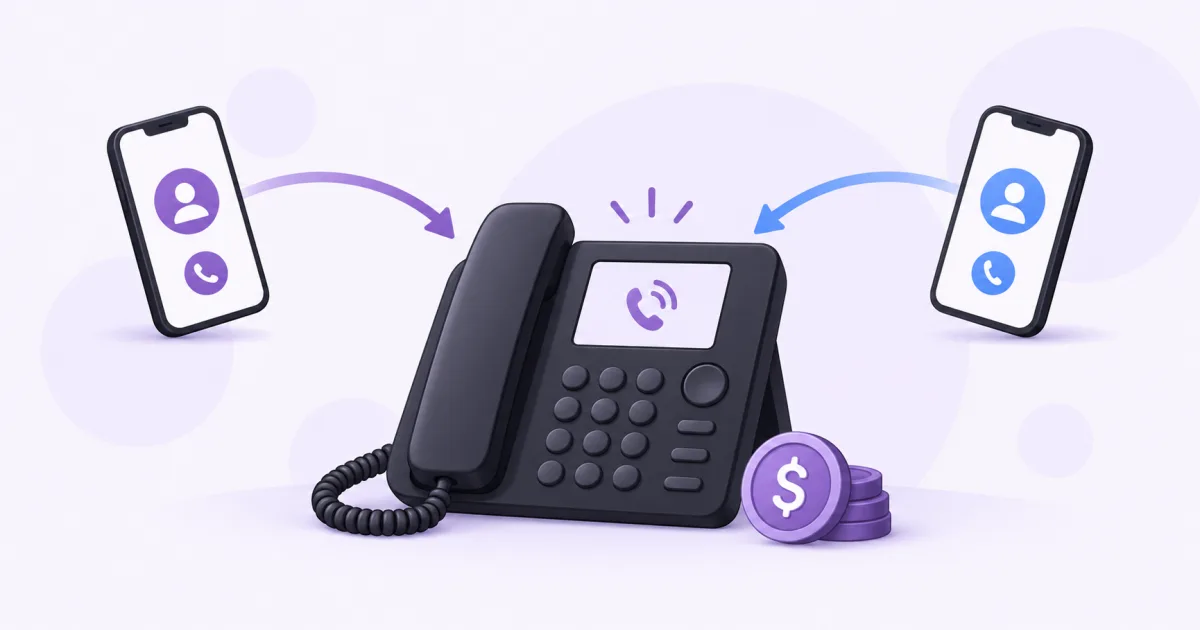
A toll-free number is designed to let callers reach a business under the applicable toll-free calling rules, while the business pays for the service. It is not a promise that every call from every country or network is free or reachable.
Who pays for what?
- The business renting the number pays the number and inbound service charges under its plan.
- A caller's experience depends on the country, originating network and applicable plan; mobile or international restrictions may matter.
- Outbound calls, forwarding and other features have their own prices. Toll-free does not make every action on the account free.
- Check your actual inbound rate and rental before advertising the number to customers.
Recognise the relevant number range
In the North American Numbering Plan, active toll-free prefixes include 800, 888, 877, 866, 855, 844 and 833. The digits after different prefixes identify different numbers; changing 800 to 888 does not reach the same business.
Other countries have their own toll-free ranges. A national toll-free number is also different from an international +800 Universal International Freephone Number. The number you select must match the countries and callers you want to serve.
Can customers call from abroad?
Do not assume a domestic toll-free number is available internationally. A foreign carrier may not route it, or its charges may differ. Customers on some mobile networks may also have restrictions.
For an international audience, consider publishing an ordinary international-format contact number alongside the toll-free option. Explain which audience each number is intended for.
Choose a number for your business
- Identify where most callers are located and compare local and toll-free options.
- Check the number's call capability, inbound price, rental period and required documents.
- Review forwarding or voicemail settings if you use them; include the relevant usage costs in your budget.
- Confirm access from the networks important to your customers before relying on it as the only contact number.
Questions and answers
Does toll-free include free SMS?
Not automatically. SMS availability and fees are separate from the toll-free voice arrangement. Check the exact number's features.
Is a toll-free number better than a local number?
It depends on your audience and budget. Local familiarity, international reach and the business's inbound costs should all influence the choice.
Useful tools and links
Official references
Next step
Compare number types, services and activation requirements before choosing your number.